Overview of Solar Incentives
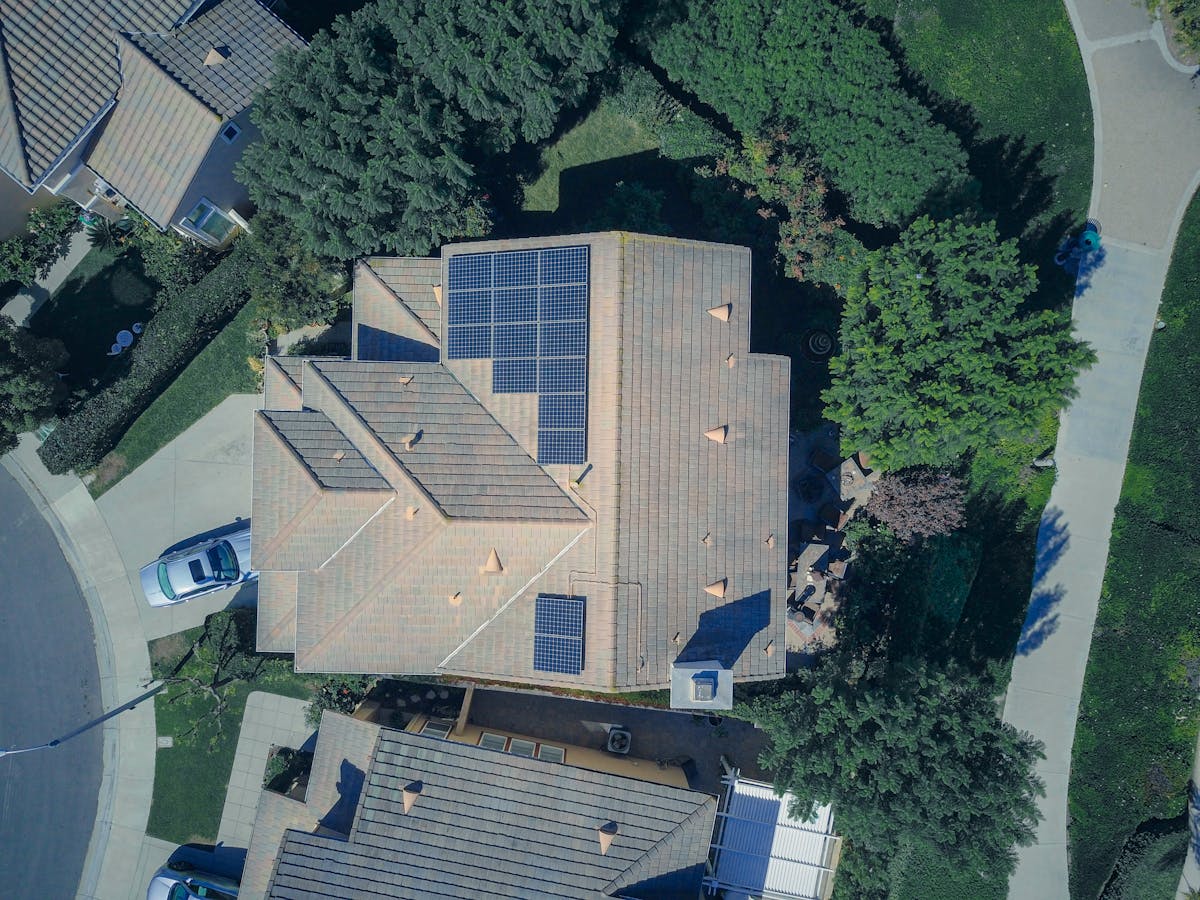
Solar incentives can reduce the cost of your solar installation by 30-50% or more. Federal, state, and local programs are designed to encourage clean energy adoption and make solar more affordable for homeowners and businesses.
This comprehensive guide covers all the major incentive programs available in 2026, helping you maximize your savings when going solar.
Federal Solar Investment Tax Credit (ITC)

The federal Investment Tax Credit is the most significant solar incentive available. It allows you to deduct a percentage of your solar installation cost from your federal taxes.
Current ITC Rates
| Year Installed | Residential Rate | Commercial Rate |
|---|---|---|
| 2022-2032 | 30% | 30% |
| 2033 | 26% | 26% |
| 2034 | 22% | 22% |
| 2035+ | 0% (expires) | 10% (permanent) |
What Qualifies for the ITC?
The 30% tax credit applies to:
- Solar Panels: Full cost of panels and related equipment
- Inverters: String inverters, microinverters, or power optimizers
- Racking/Mounting: All mounting hardware and rails
- Battery Storage: Home batteries charged by solar (including stand-alone)
- Installation Labor: All labor costs for design and installation
- Electrical Work: Panel upgrades, wiring, and electrical components
- Permitting Fees: Building and electrical permits
- Sales Tax: Any sales tax paid on the system
ITC Example Calculation
- Total System Cost: $25,000
- ITC Rate: 30%
- Tax Credit: $25,000 × 0.30 = $7,500
- Net Cost After ITC: $25,000 - $7,500 = $17,500
How to Claim the Federal ITC
- Complete your solar installation (system must be operational)
- Obtain IRS Form 5695 (Residential Energy Credits)
- Calculate your credit amount on Part I of Form 5695
- Transfer the credit amount to your Form 1040 (Schedule 3, Line 5)
- File with your annual tax return
Important ITC Rules
- Tax Liability Required: You must owe federal income tax to use the credit. It reduces taxes owed but is not refundable.
- Carryforward Allowed: If your credit exceeds your tax liability, unused portions can be carried forward to future tax years (through 2034 for residential).
- Ownership Required: You must own the system (not lease or PPA) to claim the credit.
- Primary or Secondary Home: Must be your home (rental properties have different rules).
- New or Used: As of 2023, used/refurbished systems also qualify for 30% credit.
State Solar Tax Credits

Many states offer additional tax credits on top of the federal ITC. Here are some of the best state programs:
Top State Tax Credits (2026)
| State | Credit Amount | Cap | Notes |
|---|---|---|---|
| New York | 25% | $5,000 | Plus NY-Sun rebates |
| South Carolina | 25% | $3,500/year | 10-year carryforward |
| Massachusetts | 15% | $1,000 | Plus SMART program |
| Arizona | 25% | $1,000 | Plus utility rebates |
| Iowa | 15% | $5,000 | Multi-year carryover |
| Hawaii | 35% | $5,000 | Best state credit |
Combined Savings Example (New York)
- System Cost: $24,000
- Federal ITC (30%): -$7,200
- NY State Credit (25%, max $5,000): -$5,000
- NY-Sun Rebate (~$0.20/W for 8kW): -$1,600
- Net Cost: $24,000 - $13,800 = $10,200
- Total Incentives: 57.5% reduction!
Solar Rebate Programs
Rebates are direct cash incentives that reduce your upfront cost. They're offered by states, utilities, and some local governments.
State Rebate Programs
- California SGIP: Battery storage rebate ($150-$1,000/kWh)
- New York NY-Sun: $0.20-$0.40 per watt for residential solar
- Massachusetts SMART: Performance-based incentive program
- Rhode Island REF: $0.85/watt, up to $7,000
- Connecticut RSIP: Performance-based incentive
Utility Rebate Programs
Many utilities offer rebates to customers installing solar. Examples include:
- Duke Energy (NC, SC, FL): $0.25-$0.60/watt rebates
- Xcel Energy (CO, MN): $500-$1,500 rebates
- PG&E (CA): Various programs for low-income customers
- Austin Energy (TX): $2,500 rebate for solar installations
- Salt River Project (AZ): $600-$1,800 based on system size
Net Metering
Net metering allows you to earn credits for excess solar electricity you send to the grid. When your panels produce more than you use, the surplus flows to the grid and spins your meter backward.
How Net Metering Works
- Daytime: Solar production exceeds home usage, excess goes to grid
- Credit Earned: Utility credits your account for exported kWh
- Evening/Night: You draw from grid when solar isn't producing
- Monthly Bill: Credits offset electricity drawn from grid
- Annual True-Up: Some utilities pay out excess credits yearly
Net Metering by State
| Category | States | Credit Rate |
|---|---|---|
| Full Retail Rate | NY, MA, NJ, MD, VT | 100% of retail rate |
| Near Retail | CO, CT, NH, RI | 80-95% of retail |
| Reduced Rate | CA (NEM 3.0), HI, UT | 25-75% of retail |
| Avoided Cost | TX, GA, parts of FL | Wholesale rate |
| No Net Metering | TN, AL, ID, SD | N/A |
California NEM 3.0 (Net Billing)
California transitioned to NEM 3.0 in April 2023, significantly reducing export rates. Key changes:
- Export rates based on "avoided cost" (much lower than retail)
- Time-varying export rates encourage battery storage
- Self-consumption more valuable than ever
- Battery storage becomes essential for maximizing savings
Solar Renewable Energy Credits (SRECs)
SRECs allow you to earn money for the clean energy your solar panels produce. Each time your system generates 1,000 kWh (1 MWh), you earn one SREC that can be sold to utilities.
SREC Markets by State
| State | SREC Value (2026) | Annual Earnings* |
|---|---|---|
| Washington DC | $300-$400 | $2,400-$3,200 |
| Massachusetts | $250-$350 | $2,000-$2,800 |
| New Jersey | $200-$250 | $1,600-$2,000 |
| Pennsylvania | $30-$50 | $240-$400 |
| Maryland | $60-$80 | $480-$640 |
| Ohio | $20-$40 | $160-$320 |
*Based on 8 MWh annual production from a typical 6-7 kW system
How to Sell SRECs
- Register your system with the state SREC program
- Production data is reported (often automatically via monitoring)
- SRECs are issued to your account
- Sell through aggregators (SRECTrade, Sol Systems) or directly to utilities
- Receive payment monthly, quarterly, or annually
Property Tax Exemptions
Many states exempt the added value of solar installations from property taxes. This means your home value can increase without increasing your tax bill.
States with Full Exemptions
- California - 100% excluded from property tax assessment
- Texas - 100% exemption for residential solar
- New York - 15-year exemption on added value
- Florida - 100% exemption from tangible personal property tax
- Arizona - 100% exemption through 2030
- Massachusetts - 20-year exemption
- New Jersey - 100% exemption
Property Tax Savings Example
- Solar System Value Added: $15,000
- Local Property Tax Rate: 2%
- Annual Tax Without Exemption: $300
- 25-Year Savings: $7,500 in avoided property taxes
Sales Tax Exemptions
Many states exempt solar equipment from sales tax, providing immediate savings at purchase.
States with Solar Sales Tax Exemptions
- Arizona - No sales tax on solar equipment
- New Jersey - No sales tax on renewable energy systems
- New York - Solar equipment exempt from state sales tax
- Connecticut - 100% exemption
- Maryland - 100% exemption
- Massachusetts - 100% exemption
- Florida - No sales tax on solar energy systems
Sales Tax Savings Example
- System Cost: $20,000
- State Sales Tax Rate: 6%
- Sales Tax Exemption Savings: $1,200
Low-Income Solar Programs
Special programs help low-income households access solar energy:
Federal Programs
- Residential Clean Energy Credit (Low-Income Bonus): Additional 10-20% ITC bonus for qualifying households
- LIHEAP: Some states use LIHEAP funds for solar installations
- Community Solar: Subscribe to shared solar projects without rooftop installation
State Low-Income Programs
- California SASH: Free solar for low-income single-family homes
- California DAC-SASH: For disadvantaged communities
- Colorado Low-Income Solar: Rebates up to 100% of system cost
- Connecticut Solar for All: No-cost solar for income-qualified residents
- Illinois Solar for All: Significant incentives for low-income households
Commercial and Business Incentives
Businesses have additional incentive options:
MACRS Depreciation
Commercial solar qualifies for accelerated depreciation:
- 5-Year MACRS: Depreciate 85% of system cost over 5 years
- Bonus Depreciation: 60% bonus depreciation in 2026 (phases down)
- Combined Value: Can be worth 25-30% of system cost in tax savings
ITC Adders for Commercial Projects
- Domestic Content Bonus: +10% for using US-made components
- Energy Community Bonus: +10% for projects in former coal communities
- Low-Income Community Bonus: +10-20% for serving low-income areas
How to Maximize Your Incentives
- Act Before Deadlines: Many incentives phase out or have limited funding
- Stack Programs: Combine federal, state, and utility incentives
- Own Your System: Leases and PPAs transfer tax benefits to the provider
- Document Everything: Keep all receipts and contracts for tax filing
- Consult a Tax Professional: Ensure you claim all eligible credits correctly
- Check DSIRE Database: Most comprehensive resource for state incentives
Conclusion
Solar incentives make going solar more affordable than ever. With the federal 30% ITC, state programs, and utility rebates, you can often reduce your total cost by 40-60%. The key is understanding which programs apply to your situation and acting before they expire or phase out.
Ready to see your potential solar production and savings? Use our free Solar Production Calculator to estimate your system output, then apply incentives to calculate your true cost and ROI.