What is Net Metering?
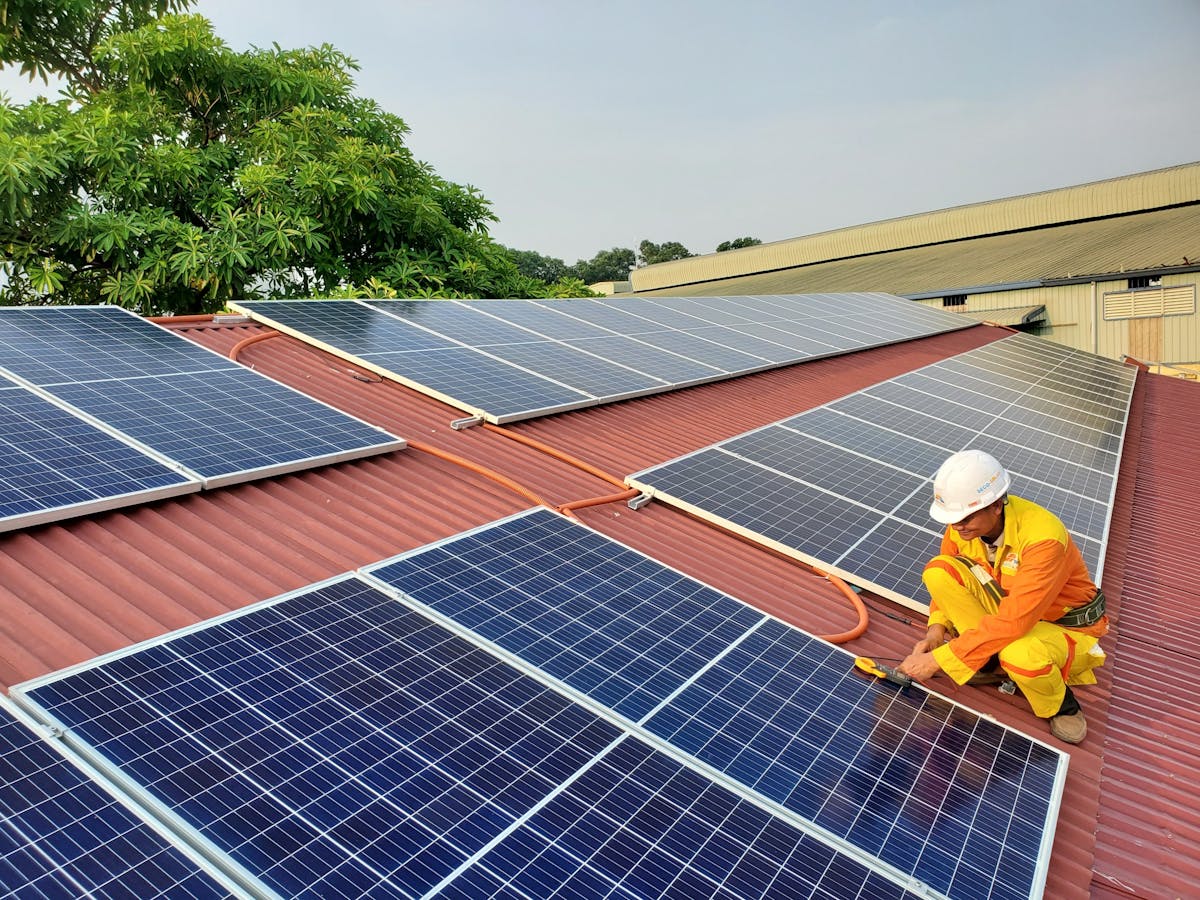
Net metering is a billing mechanism that allows rooftop solar owners to export excess electricity to the grid and receive credits or payment for it. When your solar panels produce more electricity than you're using, the surplus flows to the grid, and your meter "runs backward" - effectively crediting you for that electricity.
In India, net metering is regulated by State Electricity Regulatory Commissions (SERCs) and implemented by local DISCOMs. Each state has different rules regarding capacity limits, settlement periods, and compensation rates.
How Net Metering Works in India
Step-by-Step Process
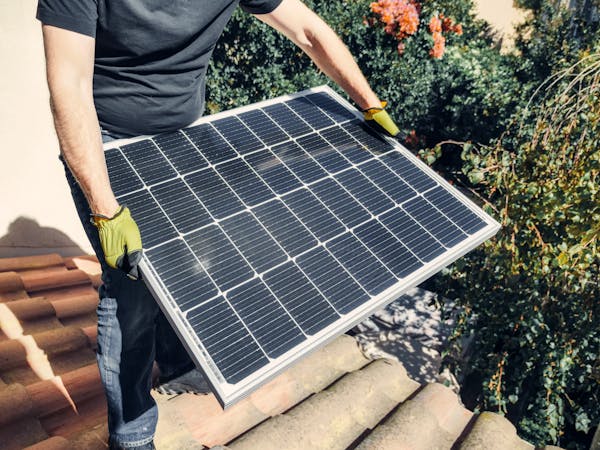
- Step 1 - Solar Generation: Your rooftop panels generate DC electricity from sunlight
- Step 2 - Inverter Conversion: Inverter converts DC to AC electricity for home use
- Step 3 - Self Consumption: Your home first uses the solar power directly
- Step 4 - Export to Grid: Excess electricity flows to the grid through bidirectional meter
- Step 5 - Import from Grid: At night or cloudy times, you draw power from grid
- Step 6 - Net Calculation: Bill shows net units (imported - exported)
- Step 7 - Settlement: Pay only for net consumption, or get credit for excess export
Daily Net Metering Cycle Example (3 kW System)
- 6 AM - 9 AM: Low generation, home imports 2 units from grid
- 9 AM - 12 PM: Good generation, exports 4 units to grid
- 12 PM - 3 PM: Peak generation, exports 6 units to grid
- 3 PM - 6 PM: Moderate generation, exports 3 units to grid
- 6 PM - 6 AM: No generation, imports 8 units from grid
- Daily Total: Imported 10 units, Exported 13 units = Net Export 3 units ✓
Types of Metering Arrangements in India
1. Net Metering (Most Common)
- Single bidirectional meter measures import and export
- Bill calculated on net units (import - export)
- Export credits typically at same rate as import
- Best for consumers with bills matching solar generation
2. Gross Metering
- All solar generation exported to grid
- Separate meter for solar and consumption
- Paid fixed tariff for all exported units (₹2-4/unit typically)
- Consumer buys all electricity from grid separately
- Useful where export rate is higher than consumption rate
3. Net Billing
- Similar to net metering but different rates for import/export
- Export compensated at Average Power Purchase Cost (APPC)
- Becoming more common as states revise policies
State-wise Net Metering Policies (2026)

| State | Capacity Limit | Metering Type | Settlement | Excess Credit Rate |
|---|---|---|---|---|
| Maharashtra | Up to 1 MW | Net Metering | Annual | APPC (~₹3/unit) |
| Gujarat | Up to 1 MW | Net Metering | Annual | 75% of APPC |
| Karnataka | Up to 1 MW | Net Metering | Annual | APPC (~₹3.5/unit) |
| Tamil Nadu | Up to 1 MW | Net Metering | Annual | ₹2.25/unit |
| Rajasthan | Up to 1 MW | Net Metering | Annual | APPC (~₹3/unit) |
| Delhi | Up to 1 MW | Net Metering | Annual | APPC + Generation incentive |
| Uttar Pradesh | Up to 1 MW | Net Metering | Annual | APPC (~₹2.5/unit) |
| Andhra Pradesh | Up to 1 MW | Net Billing | Monthly | ₹2.25/unit |
| Telangana | Up to 1 MW | Net Metering | Annual | APPC (~₹3/unit) |
| Kerala | Up to 1 MW | Net Metering | Annual | APPC (~₹3.3/unit) |
| West Bengal | Up to 1 MW | Net Metering | Annual | APPC (~₹2.8/unit) |
| Punjab | Up to 1 MW | Net Metering | Annual | APPC (~₹3/unit) |
Understanding Your Net Metered Bill

Key Terms on Your Bill
- Import Units (KWH Import): Electricity drawn from grid
- Export Units (KWH Export): Electricity sent to grid
- Net Units: Import minus Export
- Carried Forward Credit: Excess export credits from previous months
- Energy Charges: Based on net units × applicable tariff
- Fixed Charges: Monthly fixed charge regardless of consumption
- Wheeling Charges: Grid usage fee (in some states)
Bill Calculation Example
- Import from Grid: 200 units
- Export to Grid: 150 units
- Net Consumption: 200 - 150 = 50 units
- Energy Charge (@ ₹6/unit): 50 × 6 = ₹300
- Fixed Charge: ₹100
- Total Bill: ₹400
- Without Solar: 200 × 6 + 100 = ₹1,300
- Savings: ₹900 (69%)
Net Metering Capacity Limits
Sanctioned Load Rules
Most states limit rooftop solar capacity based on your sanctioned load:
- Residential: Up to 100% of sanctioned load (typically)
- Commercial: Up to 100% of sanctioned load or contract demand
- Industrial: Up to 100% of contract demand
- Agricultural: Varies by state (often 100% of sanctioned HP)
Increasing Sanctioned Load
If you want larger solar system than your current load:
- Apply for load enhancement with DISCOM
- Pay applicable load enhancement charges
- May require electrical infrastructure upgrade
- Processing time: 15-30 days typically
Maximizing Net Metering Benefits
Tips to Maximize Savings
- Right-Size Your System: Match solar capacity to your consumption (don't oversize)
- Shift Heavy Loads to Daytime: Run washing machine, water heater during solar hours
- Use Timers: Schedule appliances to run when solar production peaks
- Monitor Performance: Use app/monitoring to track generation and consumption
- Regular Cleaning: Dusty panels produce less - clean every 2-4 weeks
- Check Shadow Patterns: Trim trees that may have grown to shade panels
When to Consider Battery Storage
- If your state has low export compensation rate
- Frequent power cuts in your area
- Time-of-Use tariffs with high evening rates
- Critical loads that need backup power
Net Metering Application Process
Documents Required
- Latest electricity bill copy
- ID proof (Aadhaar/PAN)
- Property ownership documents
- Single line diagram of solar system
- Vendor agreement copy
- BIS certificates of panels and inverter
- Installation completion certificate
Timeline for Net Meter Installation
- Application Submission: Day 1
- DISCOM Review: 7-15 days
- Site Inspection: 7-10 days
- Meter Installation: 7-15 days
- Commissioning: 3-5 days
- Total Time: 30-45 days typically
Common Net Metering Issues & Solutions
Problem: Meter Not Recording Export
- Check if bidirectional meter is properly configured
- Verify CT ratio settings match your system
- Contact DISCOM for meter inspection
Problem: Bill Not Showing Export Credits
- Wait for first billing cycle after commissioning
- Check if net metering agreement is registered
- Submit meter reading manually if auto-reading fails
Problem: Low Export Despite Good Generation
- Your daytime consumption may be higher than expected
- Check for faulty appliances consuming excess power
- Review generation vs consumption data on monitoring app
Future of Net Metering in India
The Indian solar landscape is evolving rapidly:
- Shift to Net Billing: Some states moving from net metering to net billing with lower export rates
- Time-of-Day Metering: Future tariffs may vary by time of generation/consumption
- Battery Integration: Storage becoming important as export rates decline
- Virtual Net Metering: Community solar projects gaining traction
- Peer-to-Peer Trading: Blockchain-based energy trading in pilot phase