What is PM Surya Ghar Muft Bijli Yojana?
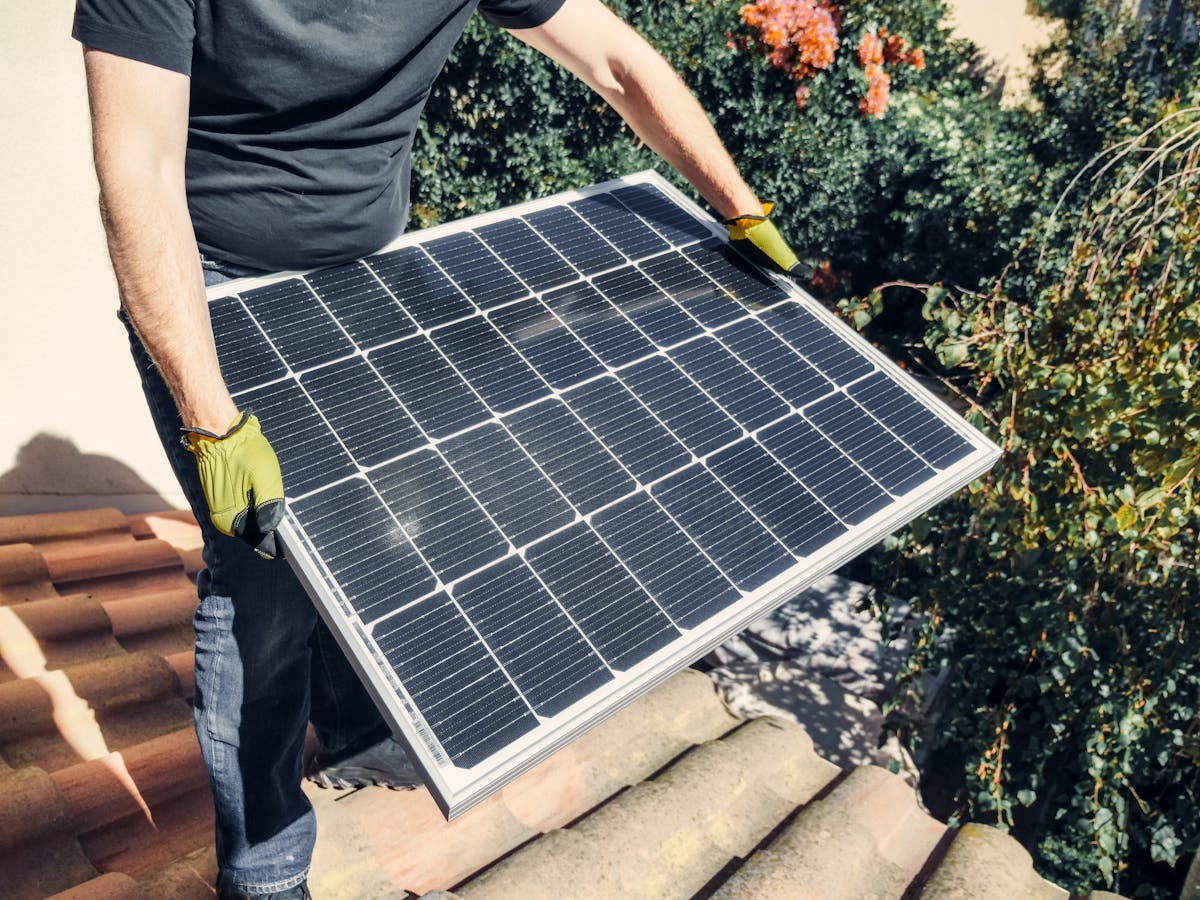
PM Surya Ghar Muft Bijli Yojana (प्रधानमंत्री सूर्य घर मुफ्त बिजली योजना) is India's largest rooftop solar scheme launched by Prime Minister Narendra Modi. The scheme aims to provide free electricity to 1 crore households by installing rooftop solar panels with substantial government subsidies.
Under this revolutionary scheme, households can receive up to 300 units of free electricity per month and save approximately ₹15,000-18,000 annually on electricity bills. The government provides a direct subsidy of up to ₹78,000 for installing rooftop solar systems.
Key Benefits of PM Surya Ghar Yojana

- 300 Units Free Electricity: Generate up to 300 units of free solar electricity every month
- ₹78,000 Subsidy: Direct central government subsidy credited to your bank account
- Reduced Bills: Save ₹15,000-18,000 per year on electricity costs
- Net Metering: Sell excess electricity back to the grid and earn money
- 25-Year Life: Solar panels work efficiently for 25+ years
- Low Maintenance: Minimal maintenance required after installation
- Environment Friendly: Reduce carbon footprint and contribute to clean India
Subsidy Amount Under PM Surya Ghar Yojana
The central government provides substantial subsidies based on system capacity:
| System Capacity | Central Subsidy | Approximate Cost | Your Payment |
|---|---|---|---|
| 1 kW | ₹30,000 | ₹60,000-70,000 | ₹30,000-40,000 |
| 2 kW | ₹60,000 | ₹1,20,000-1,40,000 | ₹60,000-80,000 |
| 3 kW | ₹78,000 | ₹1,80,000-2,10,000 | ₹1,02,000-1,32,000 |
| 4 kW | ₹78,000 | ₹2,40,000-2,80,000 | ₹1,62,000-2,02,000 |
| 5 kW+ | ₹78,000 | ₹3,00,000+ | ₹2,22,000+ |
Subsidy Calculation Formula
- Up to 2 kW: ₹30,000 per kW subsidy
- 2 kW to 3 kW: ₹30,000/kW for first 2 kW + ₹18,000/kW for additional capacity
- Above 3 kW: Maximum subsidy capped at ₹78,000
Eligibility Criteria for PM Surya Ghar Yojana
Who Can Apply?
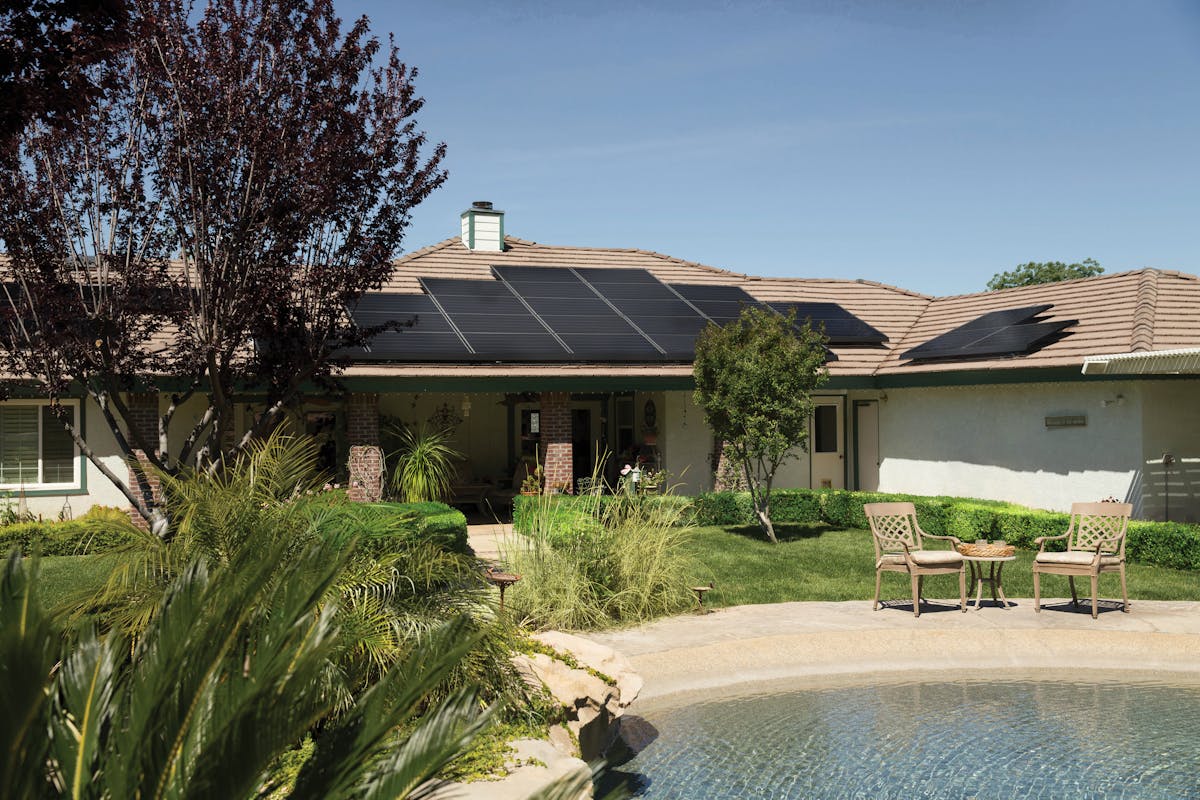
- Residential Consumers: Only domestic/residential electricity consumers are eligible
- Grid Connection: Must have an active electricity connection from DISCOM
- Roof Ownership: Must own the roof where solar panels will be installed
- No Previous Subsidy: Should not have availed solar subsidy under any other scheme
- Aadhaar Linked: Bank account must be linked with Aadhaar for DBT
Who Cannot Apply?
- Commercial or industrial electricity consumers
- Government employees earning more than ₹1.5 lakh/month
- Income tax payees (in some states)
- Those who already received solar subsidy
- Renters without roof ownership rights
How to Apply for PM Surya Ghar Yojana
Step-by-Step Application Process
- Step 1 - Register Online: Visit the official portal pmsuryaghar.gov.in and register with your electricity consumer number
- Step 2 - Login & Apply: Login with registered mobile number and fill the application form
- Step 3 - Document Upload: Upload required documents (Aadhaar, electricity bill, bank details, roof photo)
- Step 4 - Feasibility Check: DISCOM will verify your application and conduct feasibility assessment
- Step 5 - Choose Vendor: Select an empanelled solar vendor from the approved list
- Step 6 - Installation: Vendor installs the rooftop solar system at your premises
- Step 7 - Net Meter: DISCOM installs bidirectional net meter
- Step 8 - Commissioning: System inspection and commissioning by DISCOM
- Step 9 - Subsidy Credit: Subsidy directly credited to your bank account via DBT
Required Documents
- Aadhaar Card (linked with bank account)
- Recent Electricity Bill
- Bank Account Details (for DBT)
- Passport Size Photo
- Roof Photograph
- Property Documents (if required)
- Cancelled Cheque
State-Wise Additional Subsidies

Several Indian states provide additional subsidies on top of the central government subsidy:
| State | Additional Subsidy | Special Benefits |
|---|---|---|
| Gujarat | ₹10,000/kW (up to 3 kW) | Additional state subsidy |
| Maharashtra | Varies by DISCOM | MSEDCL net metering |
| Rajasthan | ₹10,000-15,000 | Desert area bonus |
| Tamil Nadu | Varies | TANGEDCO incentives |
| Karnataka | Up to ₹15,000 | BESCOM benefits |
| Delhi | Generation incentive | ₹2/unit for 5 years |
| Uttar Pradesh | Varies by category | UPPCL scheme |
System Size Recommendation for Indian Homes
Choose the right system size based on your monthly electricity consumption:
| Monthly Bill | Consumption | Recommended Size | Roof Space Needed |
|---|---|---|---|
| ₹1,000-2,000 | 100-200 units | 1-2 kW | 100-200 sq ft |
| ₹2,000-3,500 | 200-350 units | 2-3 kW | 200-300 sq ft |
| ₹3,500-5,000 | 350-500 units | 3-4 kW | 300-400 sq ft |
| ₹5,000-8,000 | 500-800 units | 5-6 kW | 500-600 sq ft |
| ₹8,000+ | 800+ units | 7-10 kW | 700-1000 sq ft |
Cost Breakdown Example (3 kW System)
- Total System Cost: ₹1,80,000 - ₹2,10,000
- Central Subsidy: -₹78,000
- State Subsidy (if applicable): -₹10,000 to ₹30,000
- Your Net Cost: ₹72,000 - ₹1,22,000
- Monthly Generation: 350-400 units
- Annual Savings: ₹15,000 - ₹20,000
- Payback Period: 4-6 years
Empanelled Vendors & Installation
How to Choose a Good Vendor
- Only select vendors empanelled with your state DISCOM
- Check vendor ratings and reviews on the PM Surya Ghar portal
- Verify BIS certification for solar panels and inverters
- Compare quotes from at least 3 vendors
- Ensure 5-year comprehensive warranty is included
- Check after-sales service and maintenance support
Top Solar Panel Brands in India
- Tata Power Solar: Indian brand, reliable quality
- Adani Solar: Large capacity, competitive pricing
- Waaree Solar: India's largest manufacturer
- Luminous: Good for smaller systems
- Vikram Solar: High efficiency panels
- Renewsys: Made in India, good warranty
Net Metering in India
Under net metering, you can export excess solar electricity to the grid and receive credits:
- Bidirectional Meter: Measures both import and export of electricity
- Credit System: Get credit for exported units at applicable tariff
- Annual Settlement: Excess credits settled annually (varies by state)
- Banking: Some states allow banking of credits for up to 12 months
Frequently Asked Questions (FAQs)
Q1: Is PM Surya Ghar Yojana free?
No, the scheme provides subsidy up to ₹78,000 but you need to pay the remaining amount. For a 3 kW system, you may pay ₹72,000-1,22,000 after subsidy.
Q2: Can I get loan for solar installation?
Yes, many banks including SBI, PNB, and Canara Bank offer solar loans at 7-9% interest. Some schemes offer collateral-free loans up to ₹10 lakh.
Q3: How long does installation take?
After application approval, installation typically takes 1-2 months including net meter installation and commissioning.
Q4: What if I shift to a new house?
Solar panels are transferable. You can either shift them to your new home or sell them to the new owner of your current property.
Q5: Will solar work during monsoon?
Yes, solar panels work during monsoon but at reduced efficiency (40-60%). Annual average production remains viable across all seasons.
Important Links & Helpline
- Official Portal: pmsuryaghar.gov.in
- Toll-Free Helpline: 1800-180-3333
- WhatsApp Support: Available on portal
- Track Application: Login to portal with consumer number