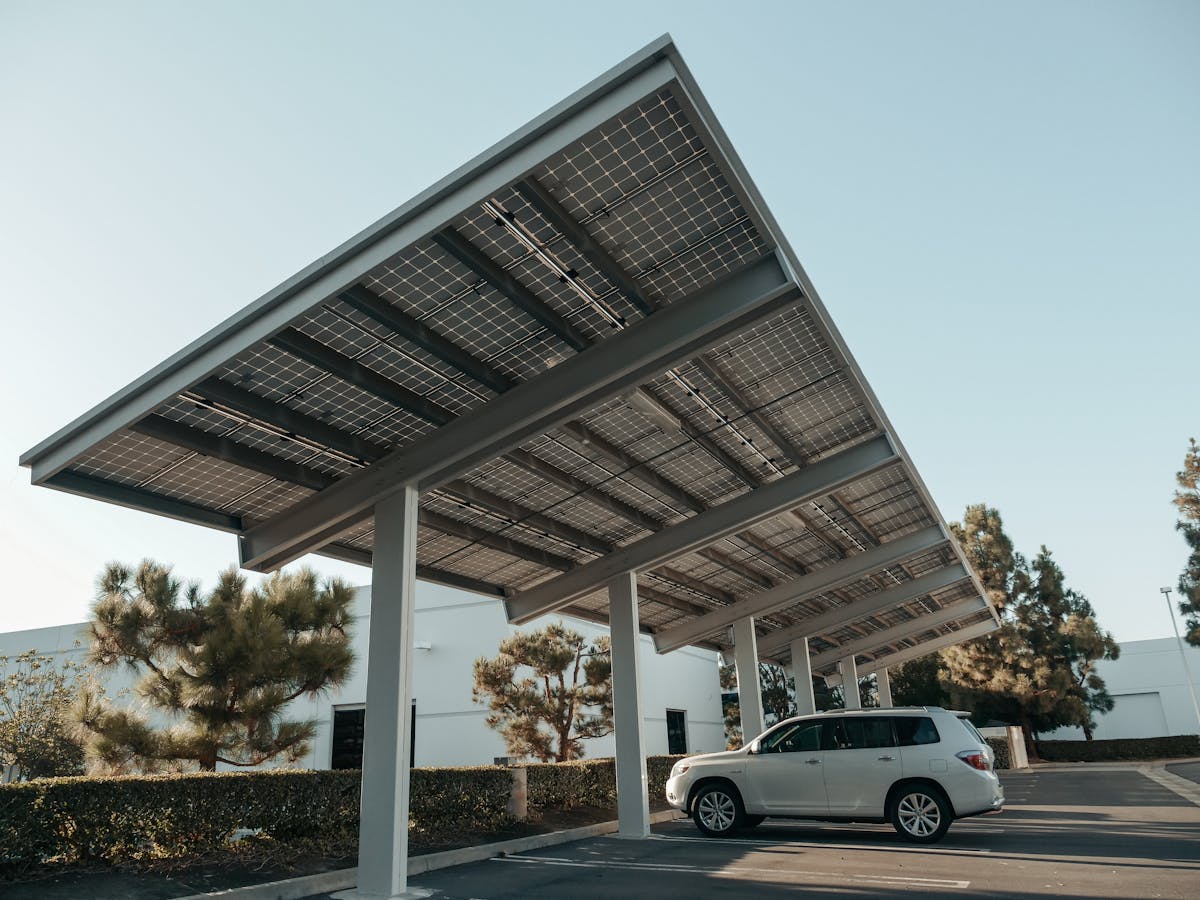
Introduction to Rooftop Solar in India
India receives abundant sunshine throughout the year, making it one of the best countries for solar energy. With over 300 sunny days annually and government initiatives like PM Surya Ghar Yojana, there has never been a better time to go solar in India.
This comprehensive guide will walk you through every step of installing rooftop solar in India - from initial assessment to final commissioning. Whether you live in sunny Rajasthan or monsoon-heavy Kerala, this guide covers all aspects specific to Indian conditions.
Why India is Perfect for Solar Energy

- Abundant Sunshine: 250-300 sunny days per year in most regions
- High Solar Irradiance: 4-7 kWh/m²/day across the country
- Rising Electricity Costs: Grid electricity prices increasing 5-8% annually
- Government Support: Subsidies up to ₹78,000 under PM Surya Ghar
- Net Metering: Earn money by selling excess power to grid
- Falling Panel Prices: Solar costs dropped 80% in last decade
Solar Irradiance by Region
| Region | States | Solar Radiation | Rating |
|---|---|---|---|
| Northwest | Rajasthan, Gujarat | 5.5-7.0 kWh/m²/day | ⭐⭐⭐⭐⭐ Excellent |
| Central | MP, Maharashtra | 5.0-6.0 kWh/m²/day | ⭐⭐⭐⭐⭐ Excellent |
| South | Karnataka, Tamil Nadu, AP | 5.0-5.8 kWh/m²/day | ⭐⭐⭐⭐ Very Good |
| North | Delhi, UP, Punjab, Haryana | 4.5-5.5 kWh/m²/day | ⭐⭐⭐⭐ Very Good |
| East | Bihar, West Bengal, Odisha | 4.0-5.0 kWh/m²/day | ⭐⭐⭐ Good |
| Northeast | Assam, Meghalaya | 3.5-4.5 kWh/m²/day | ⭐⭐⭐ Good |
| Coastal | Kerala, Goa, Coastal areas | 4.5-5.5 kWh/m²/day | ⭐⭐⭐⭐ Very Good |
Step 1: Assess Your Rooftop
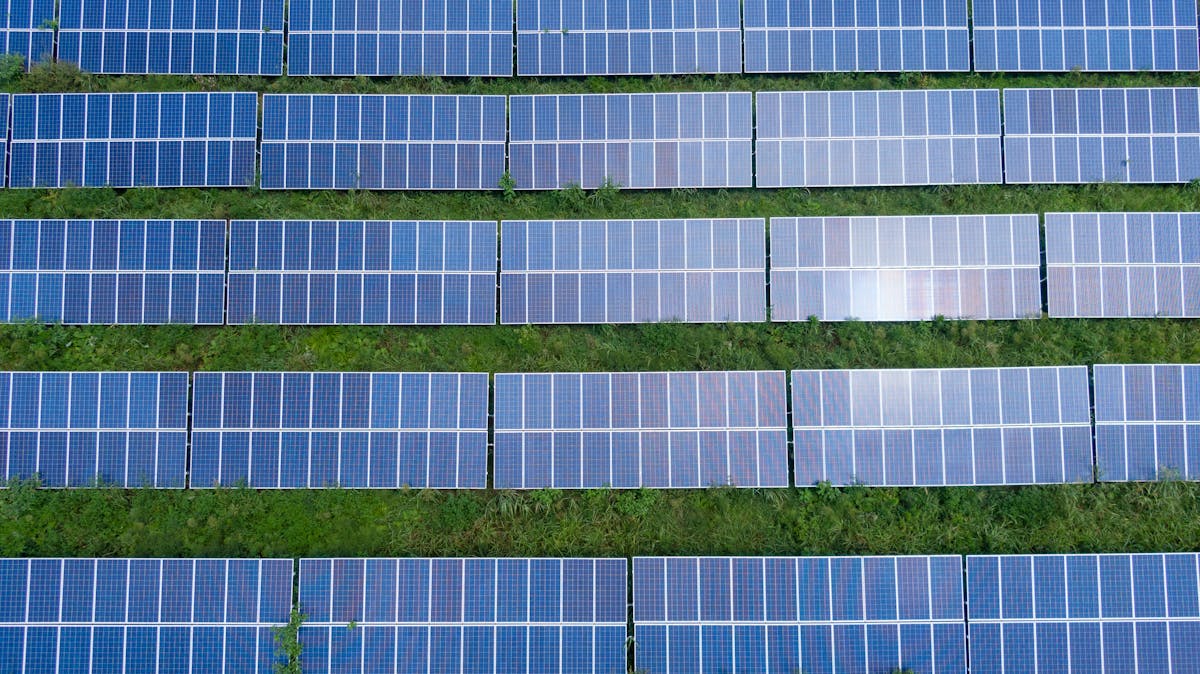
Roof Type Considerations in India
- RCC Flat Roof: Most common in India, ideal for solar. Panels mounted on elevated structures at optimal tilt angle.
- Sloped/Tiled Roof: Common in South India and hill areas. Panels mounted flush or on rails.
- Metal/Tin Sheet Roof: Found in industrial areas. Requires reinforcement and proper mounting.
- Asbestos Roof: Not recommended due to health hazards. Consider roof replacement first.
Roof Space Calculation
In India, you need approximately 100 square feet per kW of solar capacity:
- 1 kW system: 100 sq ft (10' × 10')
- 2 kW system: 200 sq ft (10' × 20')
- 3 kW system: 300 sq ft (15' × 20')
- 5 kW system: 500 sq ft (20' × 25')
- 10 kW system: 1000 sq ft (25' × 40')
Shadow Analysis
Check for shadows from:
- Overhead water tanks (very common in India)
- Neighboring buildings and future construction
- Trees (especially during monsoon growth)
- Parapet walls and staircases
- TV antennas and satellite dishes
Step 2: Choose the Right System Size
Calculate Based on Electricity Bill
Check your monthly electricity consumption from your bill:
| Monthly Units | Monthly Bill (₹) | System Size | Annual Generation |
|---|---|---|---|
| 100-150 units | ₹800-1,500 | 1-1.5 kW | 1,400-2,000 units |
| 150-250 units | ₹1,500-2,500 | 2-2.5 kW | 2,800-3,500 units |
| 250-400 units | ₹2,500-4,000 | 3-4 kW | 4,200-5,600 units |
| 400-600 units | ₹4,000-6,000 | 5-6 kW | 7,000-8,400 units |
| 600-1000 units | ₹6,000-10,000 | 7-10 kW | 9,800-14,000 units |
Step 3: Select Solar Equipment
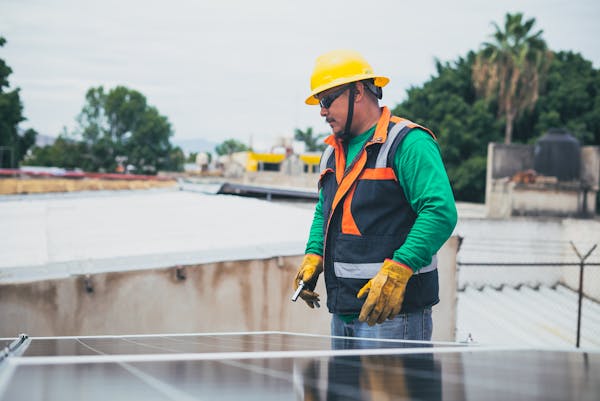
Solar Panels for Indian Climate
For Indian conditions, consider these factors:
- High Temperature Performance: Choose panels with low temperature coefficient (-0.35% or better)
- Dust Resistance: Anti-reflective coating helps in dusty conditions
- Humidity Tolerance: Important for coastal and monsoon areas
- BIS Certification: Mandatory for government subsidy
- PID Resistance: Essential for humid climates
Best Solar Panel Brands in India (2026)
| Brand | Type | Efficiency | Warranty | Price Range |
|---|---|---|---|---|
| Tata Power Solar | Mono PERC | 20-21% | 25 years | ₹28-32/Wp |
| Waaree Solar | Mono PERC | 20-21.5% | 25 years | ₹26-30/Wp |
| Adani Solar | Mono PERC | 20-21% | 25 years | ₹25-28/Wp |
| Vikram Solar | Mono PERC/TOPCon | 21-22% | 25 years | ₹28-35/Wp |
| Renewsys | Mono PERC | 19.5-20.5% | 25 years | ₹24-28/Wp |
| Luminous | Poly/Mono | 17-20% | 25 years | ₹22-28/Wp |
Inverter Selection
Two main types of inverters for Indian rooftop solar:
String Inverters (Most Common)
- Brands: Growatt, Sungrow, Fronius, Delta, Havells
- Best For: Unshaded roofs, cost-effective solutions
- Price: ₹8-15 per watt
- Warranty: 5-10 years
Microinverters
- Brands: Enphase, AP Systems
- Best For: Partially shaded roofs, complex layouts
- Price: ₹15-25 per watt
- Warranty: 15-25 years
Step 4: DISCOM Approval Process
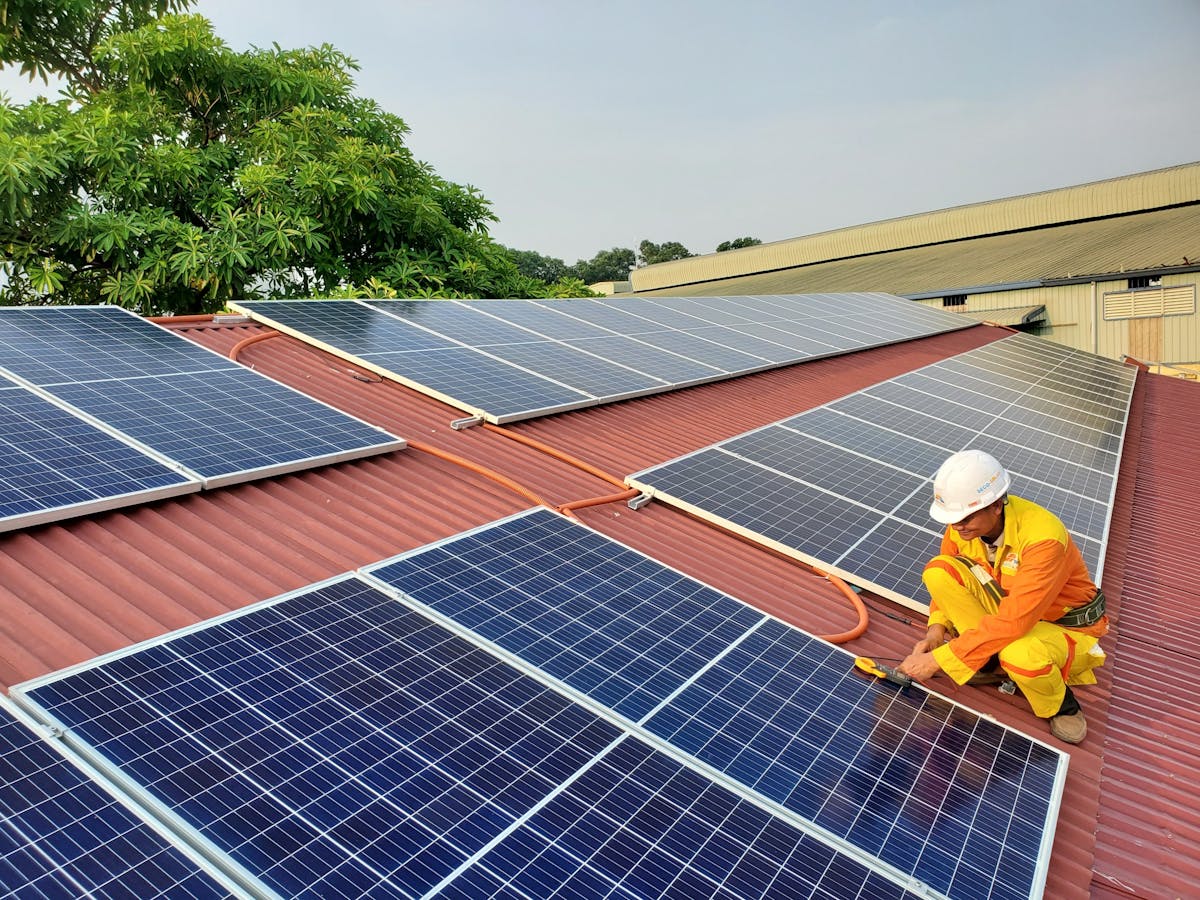
Application Process
- Step 1: Apply online on DISCOM portal or PM Surya Ghar portal
- Step 2: Submit documents (ID proof, electricity bill, roof ownership)
- Step 3: Technical feasibility check by DISCOM (7-15 days)
- Step 4: Receive approval letter with sanctioned capacity
- Step 5: Select empanelled vendor and sign agreement
- Step 6: Installation by vendor (3-5 days)
- Step 7: Apply for net meter installation
- Step 8: DISCOM inspection and meter installation (15-30 days)
- Step 9: Commissioning certificate issued
- Step 10: Subsidy credited to bank account (30-60 days)
State-wise DISCOM Portals
| State | DISCOM | Portal |
|---|---|---|
| Maharashtra | MSEDCL | mahadiscom.in |
| Gujarat | UGVCL/MGVCL/PGVCL/DGVCL | guvnl.in |
| Karnataka | BESCOM/MESCOM/HESCOM | bescom.karnataka.gov.in |
| Tamil Nadu | TANGEDCO | tangedco.org |
| Rajasthan | JVVNL/AVVNL/JdVVNL | energy.rajasthan.gov.in |
| Delhi | BSES/TPDDL | bsesdelhi.com |
| Uttar Pradesh | UPPCL | uppcl.org |
Step 5: Installation Process
Day-by-Day Installation Timeline
- Day 1: Site preparation, mounting structure installation
- Day 2: Panel mounting and wiring
- Day 3: Inverter installation, DC/AC wiring
- Day 4: Earthing, safety devices, testing
- Day 5: Final inspection, system handover, training
Installation Best Practices for India
- Ensure proper tilt angle (latitude angle ±5° works best in India)
- Maintain minimum 6-inch gap between panels for cleaning access
- Use galvanized or aluminum mounting structures to prevent rust
- Install lightning arrestor for monsoon protection
- Proper earthing with minimum 2 earth pits
- Use IP65 rated junction boxes for dust/water protection
Monsoon Considerations for Indian Solar

Monsoon Performance
- June-September: Production drops to 40-60% of peak
- Cloudy Days: Panels still generate 10-25% of rated capacity
- Rain Benefit: Natural cleaning improves performance post-rain
- Annual Average: Overall production remains viable
Monsoon-Proofing Your System
- Ensure waterproof cable glands and junction boxes
- Install surge protection devices (SPD) for lightning
- Proper drainage slope on mounting structure
- Regular inspection of seals and connections
- Anti-corrosion coating on all metal parts
Maintenance Tips for Indian Conditions
Regular Maintenance Schedule
- Weekly: Visual inspection for bird droppings, debris
- Monthly: Check inverter display for errors, generation data
- Quarterly: Clean panels with soft cloth and water
- Bi-annually: Professional inspection of wiring, connections
- Annually: Complete system audit, tightening of bolts
Cleaning in Indian Conditions
- Clean early morning or evening (avoid thermal shock)
- Use soft brush and plain water (no detergents)
- In dusty areas, clean every 2 weeks
- After festivals (Holi colors, Diwali soot)
- Consider automated cleaning systems for large installations
Common Mistakes to Avoid
- Oversizing: Don't install more than your consumption to avoid export losses
- Cheap Equipment: Avoid non-BIS certified panels to get subsidy
- Wrong Vendor: Always choose DISCOM empanelled vendors
- Ignoring Shadows: Even small shadows can reduce output significantly
- Skipping Earthing: Proper earthing is essential for safety
- No Monitoring: Install monitoring to track performance
Expected Returns and Payback
ROI Calculation (3 kW System Example)
- System Cost: ₹1,80,000
- Central Subsidy: -₹78,000
- Net Investment: ₹1,02,000
- Annual Generation: 4,200 units
- Annual Savings: ₹25,000-30,000 (@ ₹6-7/unit)
- Payback Period: 3.5-4 years
- 25-Year Savings: ₹6-8 lakhs